

Taiwan is a culinary paradise full of vibrant night markets and unique foods, and a charming place where traditional temples and modern architecture are in harmony. Thanks to its beautiful natural landscapes and friendly people, you can enjoy a safe and comfortable trip.
Updated date: 25.09.26
How to apply for a visa (e-Visa) [For countries requiring a visa only]
How to Apply for a Taiwan Visa (Countries requiring visas for tourism)
Taiwan e-Visa: https://visawebapp.boca.gov.tw/BOCA_EVISA/ (Click)
Step 1: Access Website and Complete Application Form
Click the link above to access the official Taiwan e-Visa website.
Locate and click “Apply for eVisa” (or a similar menu option).
On the page, select your nationality and choose “Tourist Visa” as the visa type.
Accurately fill in your personal information (name, date of birth, nationality, gender, passport information, etc.) as per the online application form.
Step 2: Upload Required Documents
For a Tourist Visa, you will need to scan and upload the following documents as digital files (JPG, PNG, PDF, or other specified formats):
Passport Copy: A scanned copy of the first page of your passport (photo page), clearly showing your personal details.
Recent Passport Photo: A passport-sized photograph taken within the last 6 months (white background, front-facing, no glasses/hats allowed).
Round-trip or Onward Ticket Copy: Reservation confirmation of your flight tickets showing entry into and exit from Taiwan.
Proof of Accommodation: Hotel booking confirmation or accommodation details provided by the travel agency.
Travel Agency Related Documents: Confirmation letter or voucher from the travel agency proving you are part of a group tour.
Crucially Important: All uploaded documents must be clearly legible and adhere to the specified file format and size limits. Blurry or unclear documents may lead to visa rejection.
Step 3: Pay Visa Fee
After uploading all necessary documents, you must pay the visa fee.
Payment is typically made online using a credit card (Visa, MasterCard, JCB, etc.).
Once payment is complete, it may be non-refundable, so please ensure all information is accurate before proceeding.
Step 4: Application Completion and Visa Confirmation
Upon completing and submitting all steps, you will receive an application confirmation email.
The Ministry of Foreign Affairs of Taiwan will review your application. The processing time can range from a few business days (usually 1-3 days).
Once the application is approved, your e-Visa will be sent to you via email.
You must print out the issued e-Visa and present it along with your passport at Taiwan immigration upon entry. (Entry may be denied if only a mobile display is shown.)
Other Important Notes
Re-evaluation/Rejection: Incomplete documents, inaccurate information, or an unclear purpose of entry may lead to delays or rejection of your visa application.
Visa Validity and Period of Stay: The issued e-Visa will have a specified validity period (usually 90 days), within which you must enter Taiwan. Additionally, be careful not to exceed the permitted period of stay (usually 14-30 days).
Policy Changes: Taiwan’s visa policy may change, so it is always safest to check the latest information on the Ministry of Foreign Affairs website before departure.
What is Online Arrival Card?
Note: Online Arrival Card is not mandatory, but it is a service recommended for most travelers to Taiwan for a faster and more convenient entry.
How to Fill Out Taiwan’s Online Arrival Card
1. Access the Online Arrival Card Website and Enter Information
Access the Taiwan Online Arrival Card website [Go to Site]. Follow the on-screen instructions to enter your ‘Personal Information’. This includes your name, date of birth, nationality, passport number, gender, email address, and more.
2. Register Your Travel and Stay Information
After entering your personal information, go to the ‘Travel Information Registration’ menu to enter your travel purpose, flight information, and address in Taiwan. You will need to enter the following information:
Travel Information: Your flight number, arrival date in Taiwan, departure city, purpose of visit, etc.
Stay Information: Your address in Taiwan (hotel name, address), contact information, etc.
Visa Information: Your visa status (if applicable; if you’re visa-exempt, this is not required).
3. Final Confirmation and Submission
Check that all the information you’ve entered is accurate. Make sure your passport number, name, and date of birth exactly match your passport details. After confirming everything, click the ‘Submit’ button at the bottom of the screen to submit your arrival card.
4. Check the Reception Number
Once submitted, a ‘Reception Number’ will be generated. This means your arrival card has been successfully received. There is no need to save or remember this number as a separate QR code is not generated.
5. Using at the Airport
Upon arrival at a Taiwanese airport, simply present your passport at the immigration counter. The immigration officer will automatically retrieve your online arrival card from the system. Since you’ve already submitted the information online, you won’t need to fill out a paper form, which simplifies the process.
Note:
Submitting the online arrival card is not mandatory. If you don’t fill it out beforehand, you can simply complete the paper form provided at the airport.
By submitting the information online, it is sent to the immigration officer in advance, which can make the entry process slightly faster.
The interface of the online arrival card website may change at any time, so it’s a good idea to check for the latest instructions before your trip.
[Step1] Flight
FSC (Full Service Carrier)
-
China Airlines: https://www.china-airlines.com/
-
EVA Air: https://www.evaair.com/
-
STARLUX Airlines: https://www.starlux-airlines.com/
LCC (Low Cost Carrier)
-
Tigerair Taiwan: https://www.tigerairtw.com/
Flight Search Services
Skyscanner (https://www.skyscanner.com)
- This is a meta-search engine that compares flight prices worldwide. It allows you to see fares from various airlines and travel agencies at a glance, and its feature for finding the cheapest dates is useful.
Expedia (https://www.expedia.com/flights)
- One of the largest online travel agencies in the world, where you can book various travel products such as flights, hotels, and rental cars in an integrated manner.
Trip.com (https://www.trip.com/flights)
- A major online travel agency based in the Asian region, offering competitive prices and a wide range of products, especially for Asian routes.
Priceline (https://www.priceline.com/flights)
- An online travel agency with high recognition primarily in the North American market, offering various deals on flight and hotel packages.
Orbitz (https://www.orbitz.com/flights)
- An online travel agency that handles a variety of products including flights, hotels, and rental cars. It has a well-structured reward program that offers benefits to frequent customers.
CheapOair (https://www.cheapoair.com)
- An online travel agency specializing in finding cheap flights, known for its high price competitiveness by offering various discount codes and special fares.
Travelocity (https://www.travelocity.com/flights)
- A long-standing online travel agency that provides a convenient service for booking various products like flights, hotels, and cruises all at once.
[Step2] Hotel
Hotel booking service
Booking.com (https://www.booking.com)
- One of the world’s largest booking sites, offering a wide variety of accommodations with good options for free cancellation and ‘book now, pay later’.
Expedia (https://www.expedia.com)
- An all-in-one travel site where you can book not only hotels but also flights, rental cars, and activities. It is particularly strong in the North American market.
Agoda (https://www.agoda.com)
- A hotel booking site specializing in the Asian region, providing various deals and information on hotels and accommodations in Asia.
Hotels.com (https://www.hotels.com)
- Known for its simple interface and a reward program that offers one free night after staying for 10 nights.
Google Hotels (https://www.google.com/hotels)
- A meta-search engine integrated with Google Search and Maps, allowing you to compare prices from multiple booking sites at once.
Trivago (https://www.trivago.com)
- A meta-search engine that compares prices from various hotel booking sites to find the cheapest option.
[Step3] Rail & Transit Passes / City Passes ⭐
Taipei FunPASS
Main Features: This is a comprehensive pass that offers unlimited use of public transportation such as the Taipei MRT, city buses, and Taiwan Tourist Shuttle buses for a fixed period (1, 2, or 3 days). It also includes admission tickets to over 30 major tourist attractions, including the Taipei 101 Observatory and the National Palace Museum.
Target Audience: This pass is very useful for travelers who plan to stay primarily in Taipei and visit multiple paid attractions over a few days. It’s much more economical than buying transport and admission tickets individually.
How to Purchase: You can purchase it online in advance or on-site at major tourist information centers like Taipei Main Station and Taoyuan Airport. For online purchases, you must exchange the QR code for a physical card upon arrival in Taiwan.
Book with Klook: Taipei FunPASS Booking Link
Taiwan PASS
Main Features: This is a pass for long-distance travelers exploring all of Taiwan, beyond just Taipei. It is typically a package that allows for the flexible use of various transportation options like the High-Speed Rail (THSR), Taiwan Railways (TRA), and MRT.
Target Audience: This pass is suitable for travelers who plan to take long-distance trips, such as traveling from Taipei to Kaohsiung in the south, or who plan to tour major cities in western Taiwan by train. For example, a High-Speed Rail Pass can easily pay for itself with just a round trip between Taipei and Kaohsiung, leading to significant savings.
How to Purchase: It is most convenient to purchase it in advance through online travel platforms like Klook or KKday. After purchasing, you use the exchange code from your online purchase to get a physical pass at a designated counter in Taiwan.
Book with Klook: Taiwan High-Speed Rail (THSR) Pass Booking Link
[Step4] Transportation card ⭐
EasyCard
1. How to Buy and Top Up an EasyCard
EasyCards can be easily purchased and topped up anywhere in Taiwan.
Where to Buy
Taoyuan Airport MRT stations, Taipei MRT station service counters, and convenience stores (7-Eleven, FamilyMart, etc.).
How to Buy
You can purchase a card, which includes a deposit, at a ticket vending machine or service counter in an MRT station.
At convenience stores, you can buy the card itself and then top it up with your desired amount.
How to Top Up:
Use the top-up machines located inside MRT stations.
Simply tell a convenience store clerk “EasyCard” and “Please top it up” and hand them the cash. The minimum top-up amount is usually 100 TWD.
2. Key Features and Scope of Use
The EasyCard is more than just a transit card; it can be used for almost all aspects of your trip to Taiwan.
Transit Payments:
Taipei MRT (subway), Kaohsiung MRT
City buses, Taiwan Tourist Shuttle buses
Taiwan Railways (TRA) (excluding reserved-seat trains)
Taiwan High-Speed Rail (THSR) (allows access to non-reserved seats)
Public bicycles (YouBike)
Transit Discounts
You can get fare discounts when using the EasyCard on Taipei city buses or when transferring between MRT lines.
Small-Value Payments:
Convenience stores and supermarkets (7-Eleven, FamilyMart, OK Mart, Hi-Life, etc.)
Vending machines, fast-food restaurants, and some eateries and cafes
Payments for tourist attraction tickets, and more.
3. Card Refunds and Notes
While convenient, there are a few things to keep in mind when getting a refund for your EasyCard.
Where to Refund: You can get a refund for your remaining balance at an MRT station service counter or at a convenience store.
Refund Fee: A fee may be charged for the 100 TWD deposit you paid when purchasing the card if you have used it fewer than 5 times or if the card has been used for less than 3 months.
Reusable: You can continue to use the card by topping it up, so it’s a good idea to keep it for your next trip or as a souvenir.
[Step5] eSim
eSIM
Airalo (www.airalo.com)
- Features: A balance of affordability and reliability, it is the standard in the eSIM market.
- Strongest Region: Worldwide (offers various continental packages for Europe, Asia, etc.).
- Recommended For: Most general travelers looking for a safe and verified option.
Holafly (esim.holafly.com)
- Features: Specializes in unlimited data, so you don’t have to worry about data limits.
- Strongest Region: Europe (covers 40 countries).
- Recommended For: Travelers with heavy data usage, such as for video streaming and social media.
Nomad (www.getnomad.app)
- Features: A marketplace similar to Airalo with excellent price competitiveness.
- Strongest Region: United States, Europe.
- Recommended For: Travelers who want to compare prices for a cheaper plan than Airalo.
MobiMatter (www.mobimatter.com)
- Features: Focuses on the lowest price, offering the cheapest plans available.
- Strongest Region: Most regions, depending on price.
- Recommended For: Travelers who prioritize cost and are comfortable with using eSIMs.
Saily (www.saily.com)
- Features: Simple to use, providing essential plans without unnecessary complexity.
- Strongest Region: Worldwide (has the same foundation as Airalo).
- Recommended For: First-time eSIM users or those who dislike complicated choices.
Ubigi (https://www.ubigi.com)
- Features: Offers the stability of a carrier-based network, providing seamless connection.
- Strongest Region: Japan, Global.
- Recommended For: Travelers who prioritize network stability, including business travelers.
Klook (www.klook.com/esim)
- Features: Links with other travel products, offering activities and tours in addition to eSIMs.
- Strongest Region: Asia region.
- Recommended For: Travelers who want to buy local tours, transit passes, and other products together.
Trip.com (www.trip.com/esim)
- Features: Links with other travel products, offering flights, accommodation, and more along with eSIMs.
- Strongest Region: Worldwide.
- Recommended For: Travelers who want to book flights, hotels, and other products all at once.
[Step6] Airport to city
Private limousine service to all airports
Taiwan Taoyuan International Airport (TPE)
As Taipei’s largest airport, the Airport MRT and airport buses are the two most convenient transportation options.
Airport MRT: This is the fastest and most convenient way to get from Taoyuan International Airport to Taipei Main Station. Express trains take about 35 minutes, while commuter trains take about 50 minutes.
Airport Bus: These buses provide direct travel to major city areas in Taipei, including Taipei Main Station, Ximending, and Songshan Airport.
Taipei Songshan Airport (TSA)
This airport is located in downtown Taipei, making it exceptionally accessible.
MRT: The airport terminal is directly connected to the Taipei MRT Wenhu Line, making it very easy to travel to downtown Taipei and other parts of the city.
Airport Bus: Several bus routes operate from the airport to various locations within Taipei and the surrounding areas.
Kaohsiung International Airport (KHH)
As the gateway to southern Taiwan, you can use the MRT to get to the city center directly.
MRT: Kaohsiung International Airport Station is directly connected to the MRT Red Line, allowing for fast travel to Zuoying Station, where you can catch trains or buses to Kenting.
Airport Bus (Kenting Express): This bus provides direct travel from the Kaohsiung airport to the popular tourist destination of Kenting.
Taichung International Airport (RMQ)
This is the international airport for central Taiwan, and buses are the main way to get to the city.
Airport Bus: Various bus routes operate from the airport to downtown Taichung, including Taichung Station, and other key locations. Bus stops can be found outside the airport.
Country Profile
Voltage: 110V
The standard voltage in Taiwan is 110V, with a frequency of 60Hz. Most outlets use A and B type plugs.
Currency: TWD (New Taiwan Dollar)
The official currency code is TWD, and its symbol is NT$.
Country Calling Code: +886
This is the country code used when calling Taiwan from abroad.
Emergency
Police: 110
This is the number to call for reporting crimes, for general police assistance, and in emergency situations.
Fire & Ambulance: 119
Call this number to report a fire, to request an ambulance for a medical emergency, or to seek rescue in dangerous situations.
Weather
☀Hot/ ☃Clod/ ☀☃Good/☂Rainy
| Jan | Feb | Mar | Apr | May | Jun |
|---|---|---|---|---|---|
| ☀ ☃ ☂ | ☀ ☃ ☂ | ☀ ☃ ☂ | ☀ ☃ ☂ | ☀ ☂ | ☀ ☂ |
| Jul | Sept | Apr | Oct | Nov | Dec |
| ☀ ☂ (🌪️) | ☀ ☂ (🌪️) | ☀ ☂ (🌪️) | ☀ ☃ | ☀ ☃ | ☀ ☃ |
Live Weather: https://www.accuweather.com/en/tw/taipei-city/315078/weather-forecast/315078
Meteorological Administration: https://www.cwa.gov.tw/V8/C/
Public Holiday
Taiwanese Public Holidays
New Year’s Day: January 1st
Peace Memorial Day: February 28th
Lunar New Year Holiday: Lunar December 29th – Lunar January 2nd
Children’s Day: April 4th
Tomb Sweeping Day: April 4th or 5th
Dragon Boat Festival: Lunar May 5th
Mid-Autumn Festival: Lunar August 15th
National Day: October 10th
New Year’s Eve: December 31st
Essential App⭐
Uber [Download (Android) (Apple)]
Uber is a ridesharing app that can be conveniently used in major cities in Taiwan. If you have experience using Uber before, you have the advantage of being able to hail a taxi and make payments in a familiar way without needing to adapt to a separate local app.
- Pros: Familiar app usage abroad, easy automatic payment via card registration, fare confirmation before getting in.
- Cons: Fares can surge significantly during peak demand times like rush hour, and they may be more expensive than standard taxis.
Taiwan Taxi [Download (Android) (Apple)]
The Taiwan Taxi app is the largest taxi-hailing service in Taiwan and is used most frequently by locals. Along with Uber, it is one of the most useful apps for getting a taxi in Taiwan.
- Pros: Has the largest fleet of taxis so hailing is fast, and fares can be cheaper than Uber.
- Cons: The app’s interface might feel somewhat complex to foreigners, and some functions may require Chinese language skills.
Festival⭐
[For the exact dates and holding status, please refer to the official website.]
January ~ February: Winter Festivals & Lunar New Year Celebrations
Pingxi Sky Lantern Festival (平溪天燈節): Pingxi, New Taipei City
A romantic festival where thousands of sky lanterns fill the night sky. You can write a wish on a lantern and release it, creating a truly spectacular sight.
Official Website: https://newtaipei.travel/en/column/916
Taiwan Lantern Festival (台灣燈會): Major cities in Taiwan (location changes annually)
A national-level event hosted by the government, featuring a giant theme lantern and numerous light art installations that illuminate the city.
Yanshui Beehive Fireworks Festival (鹽水蜂炮): Yanshui
Tainan Known as one of the world’s most dangerous festivals, this unique religious event involves a massive number of fireworks erupting like a beehive. Participants must wear protective gear.
Official Website: https://www.twtainan.net/yanshuifireworks/en
April: Spring Festivals
Dajia Mazu Pilgrimage (大甲媽祖遶境): Dajia
Taichung Considered one of the world’s largest religious processions, this is a massive event where a statue of the goddess Mazu is carried on a nine-day pilgrimage, with hundreds of thousands of followers joining the procession.
Official Website: https://www.dajiamazu.org.tw/mazu4
Alishan Cherry Blossom Festival (阿里山櫻花季): Alishan
Chiayi County A popular event where visitors can enjoy the stunning scenery of cherry blossoms blooming in the high mountains, often with a steam train passing through the picturesque landscape.
Official Website: https://www.ali-nsa.net/zh-tw/explore/flower-cluster
June: Summer Festivals
Dragon Boat Festival (端午節龍舟賽): Main cities like Taipei and Kaohsiung
A traditional holiday featuring exciting and dynamic dragon boat races on rivers and lakes, with teams competing in elaborately decorated boats.
Official Website: https://dragonboat.utk.com.tw/En/
July ~ August: Summer Festivals
Taitung International Hot Air Balloon Festival (臺灣國際熱氣球嘉年華): Taitung
A visually stunning festival set against Taitung’s beautiful natural backdrop. Dozens of colorful hot air balloons fill the sky, offering a magical and photogenic experience.
Official Website: https://balloontaiwan.taitung.gov.tw/en
Keelung Mid-Summer Ghost Festival (基隆中元祭): Keelung
A festival with a rich history centered around honoring departed spirits. The main event involves releasing water lanterns onto the sea to guide the spirits.
Official Website: https://tour.klcg.gov.tw/en/attractions/23424275/
October: Fireworks & Traditional Festivals
Taiwan National Day Fireworks (國慶煙火): Various cities in Taiwan (locations change annually) This large-scale fireworks event is held annually to celebrate Taiwan’s National Day (October 10th). The host city changes each year, with different cities taking turns to showcase a spectacular display.
Donggang Wangye Festival (東港迎王平安祭典): Donggang, Pingtung
A massive triennial Taoist festival where a huge, elaborately crafted ‘Wangye boat’ is built to send deities back to heaven. The boat is ceremonially burned at the end of the festival. This festival is not held every year, but is held once every three years.
Official Website: https://taiwangods.moi.gov.tw/html/landscape_en/1_0011.aspx?i=90
December: New Year’s Eve
- Taipei 101 New Year’s Eve Countdown and Fireworks (台北101跨年煙火秀)
Taipei A famous New Year’s Eve celebration featuring a spectacular fireworks display from the iconic Taipei 101 skyscraper, drawing huge crowds.
- Official Website: https://www.taipei-101.com.tw/en/explore/fireshow
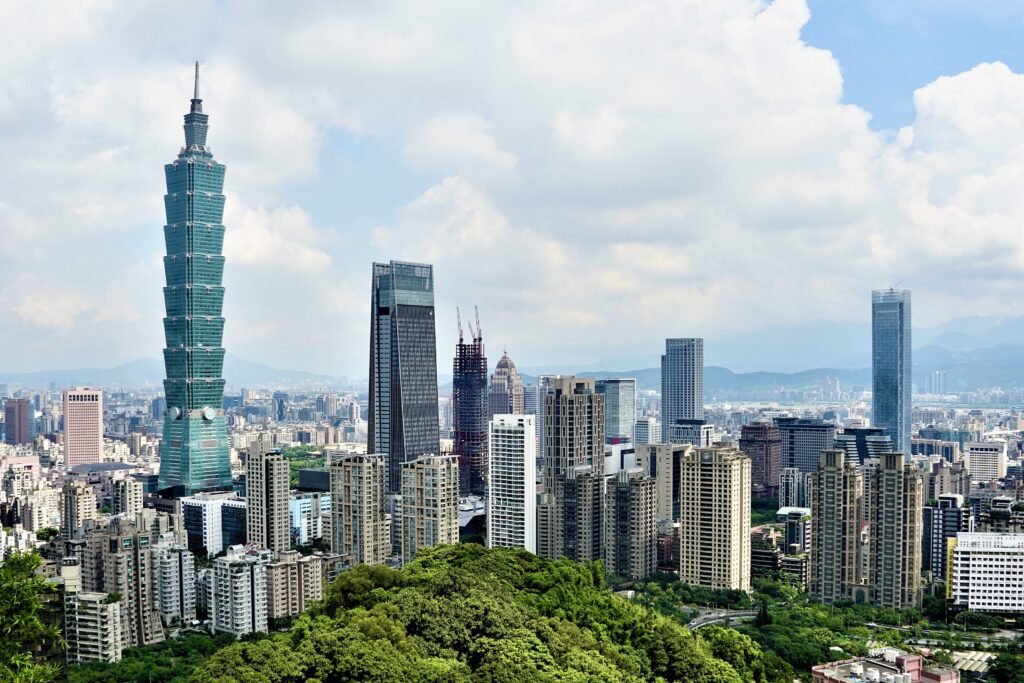
Taipei City
The capital of Taiwan and a vibrant city where modern innovation and rich traditions exist side-by-side. This is a place where futuristic skyscrapers and bustling night markets stand alongside ancient temples and historical landmarks, offering a rich and diverse experience for every traveler.
Key Attractions:
Natural: Yangmingshan National Park, Elephant Mountain (Xiangshan).
Cultural/Urban: Taipei 101, National Palace Museum, Shilin Night Market, Ximending, Longshan Temple.
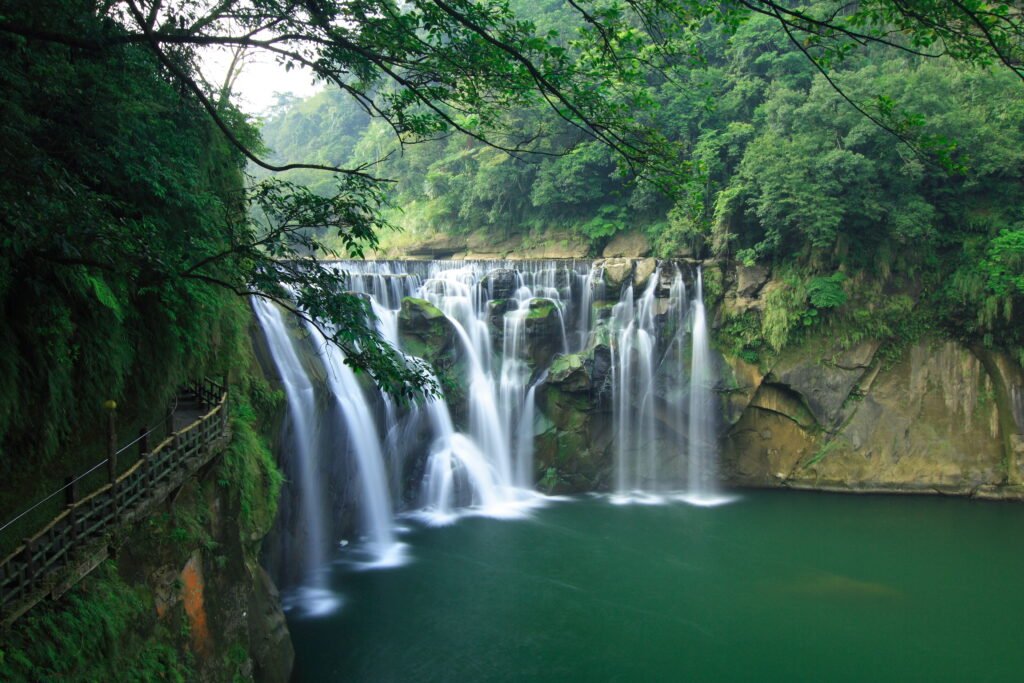
Surrounding the capital, this is a sprawling city that serves as a gateway to some of Taiwan’s most scenic landscapes and historic towns. It offers a perfect escape from urban life, with its famous waterfalls, old streets, and beautiful coastline.
Key Attractions:
Natural: Shifen Waterfall, Yehliu Geopark, Wulai Scenic Area.
Cultural/Urban: Jiufen Old Street, Tamsui Old Street, Pingxi Old Street, Gold Museum.
New Taipei City
The main gateway to Taiwan, this city is home to the country’s largest international airport. While often a transit point, it’s a modern metropolis with its own unique attractions, from theme parks to scenic lakes, making it a convenient stop for both inbound and outbound travelers.
Key Attractions:
Natural: Shihmen Reservoir, Taoyuan Aqueduct.
Cultural/Urban: Taoyuan International Airport, Daxi Old Street, Window on China Theme Park.
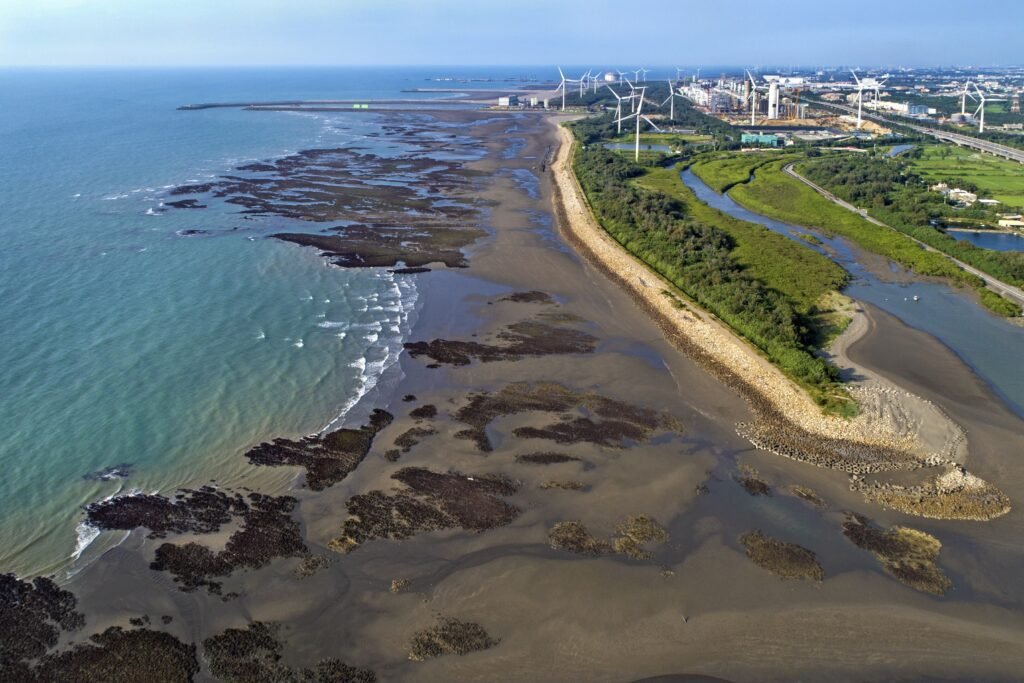
Taoyuan City
A major port city in the north, Keelung is known for its beautiful natural harbor and rich maritime culture. It offers a distinct atmosphere with its bustling night market, stunning views from its hilltop park, and unique rock formations along the coast.
Key Attractions:
Natural: Heping Island Park, Keelung Islet.
Cultural/Urban: Miaokou Night Market, Chung Cheng Park, Keelung Maritime Plaza.
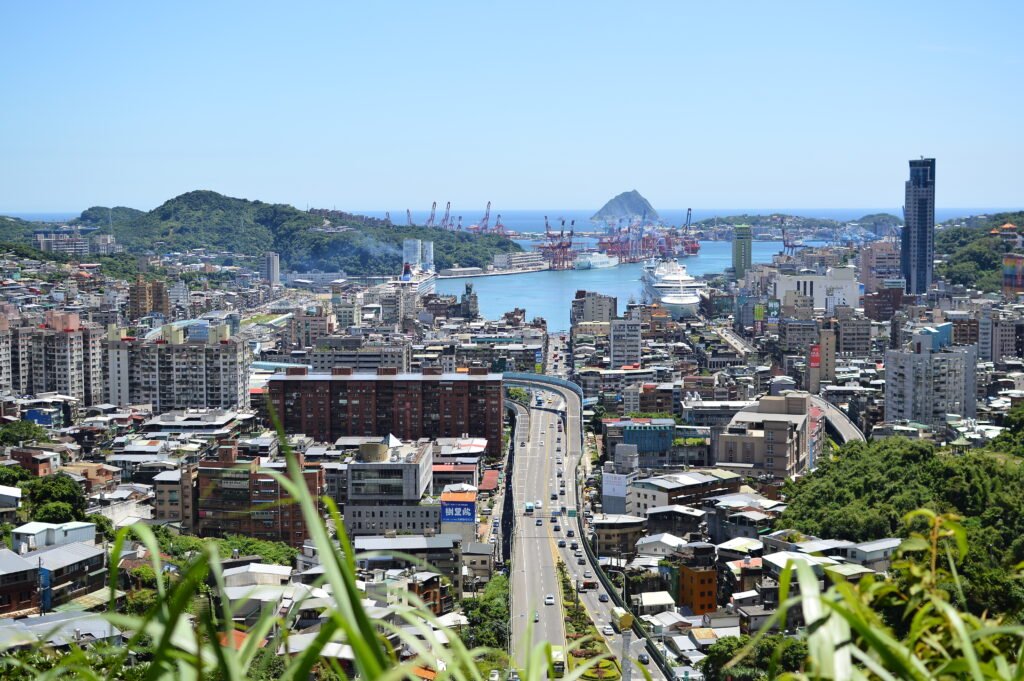
Keelung City
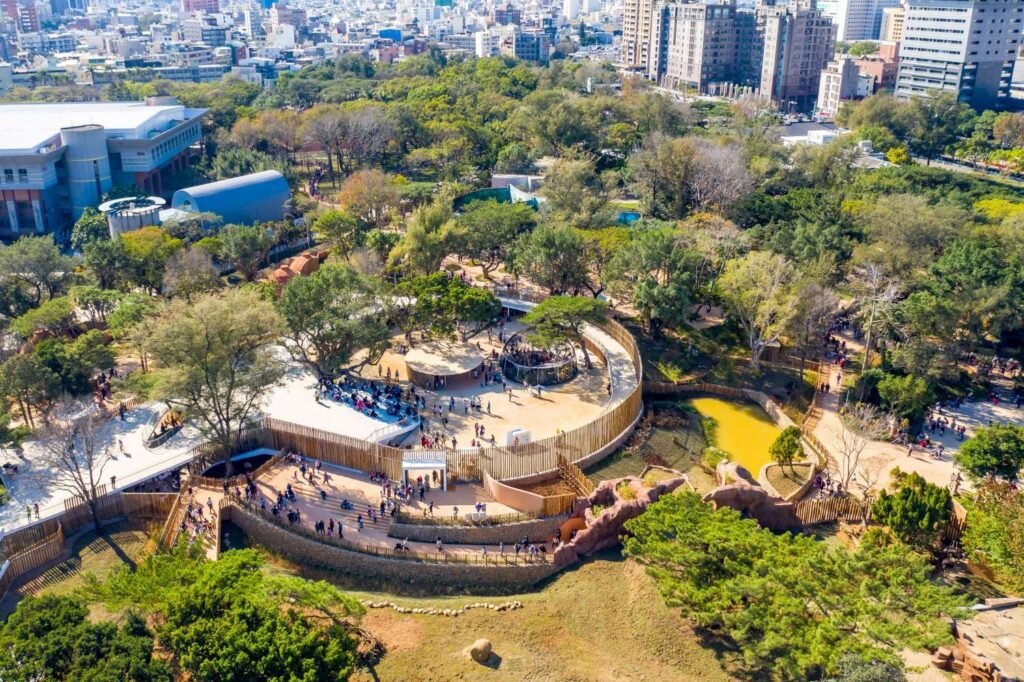
Hsinchu City
Known as “Taiwan’s Silicon Valley,” Hsinchu is a hub of technology and innovation. Beyond its high-tech industry, the city boasts a well-preserved old town with a famous temple and night market, offering a glimpse into its rich cultural past amidst a modern landscape.
Key Attractions:
Natural: Qingcao Lake, Neiwanzhou.
Cultural/Urban: Chenghuang Temple Night Market, East Gate (Dongmen), Glass Museum.

Hsinchu
Surrounding the urban center, this county is a place of rolling hills, lush forests, and serene nature. It is a major center for Hakka culture and is known for its hot springs and beautiful seasonal landscapes, particularly during the blooming of tung flowers.
Key Attractions:
Natural: Shei-Pa National Park, Neiwan Old Street (part of a scenic area), Neiwan Hot Spring.
Cultural/Urban: Leofoo Village Theme Park, Hakka Cultural Museum.

Taichung City
A vibrant and creative city in the heart of Taiwan, Taichung is a paradise for art, culture, and gastronomy. Known for its pleasant climate, modern art spaces, and unique architectural landmarks, it offers a laid-back yet stylish urban experience.
Key Attractions:
Natural: Gaomei Wetlands, Taichung Park.
Cultural/Urban: National Taichung Theater, Rainbow Village, Miyahara, Feng Chia Night Market.
Nantou
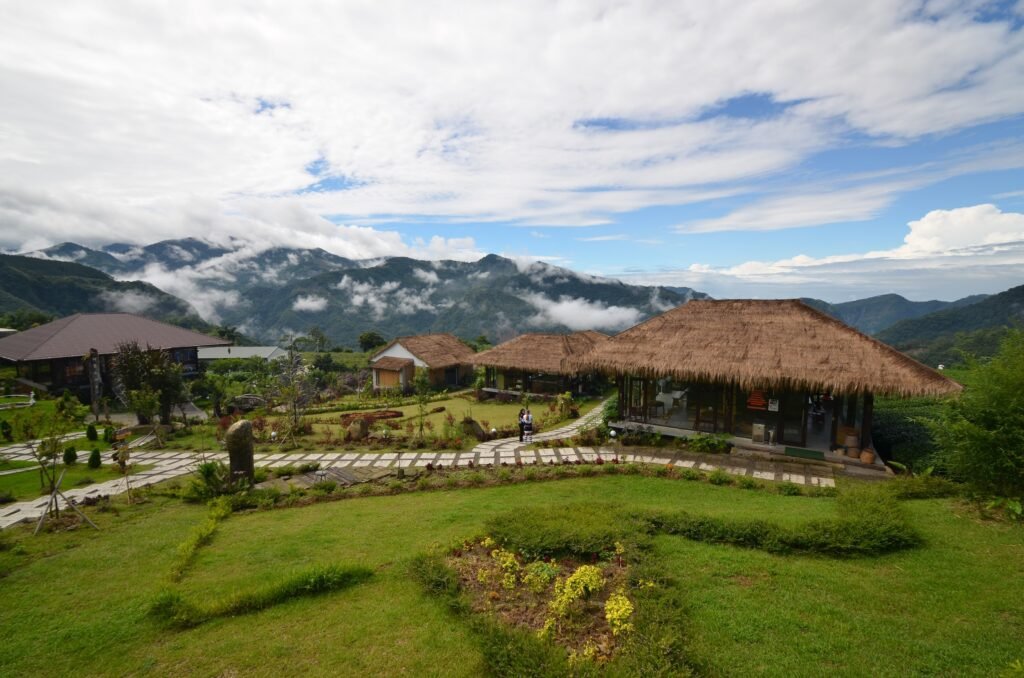
The only landlocked county in Taiwan, Nantou is a showcase of the island’s magnificent inland natural beauty. It is home to some of Taiwan’s most iconic landscapes, including a stunning alpine farm and the largest lake on the island.
Key Attractions:
Natural: Sun Moon Lake, Alishan National Scenic Area, Qingjing Farm.
Cultural/Urban: Wenwu Temple, Formosan Aboriginal Culture Village.
Changhua
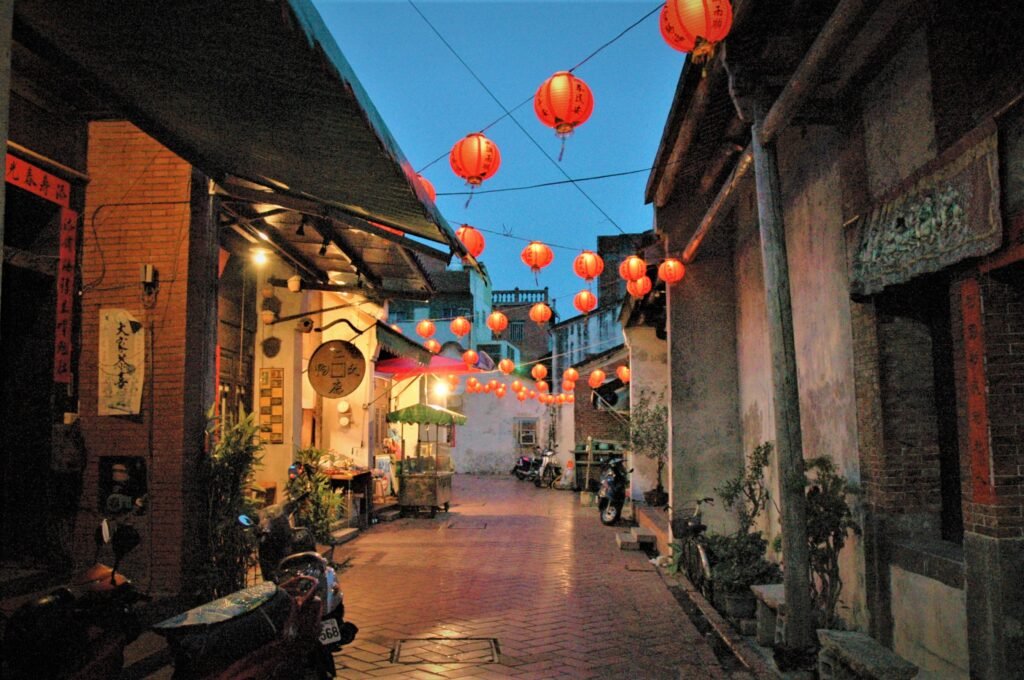
A rich agricultural region, Changhua is also home to Lukang, one of Taiwan’s most historically significant towns. It offers a deep dive into traditional Taiwanese culture with its ancient temples, well-preserved old streets, and local folk art.
Key Attractions:
Natural: Tianzhong Forest Park, Baguashan Great Buddha.
Cultural/Urban: Lukang Old Street, Confucius Temple, Fuxing Barn.
Miaoli
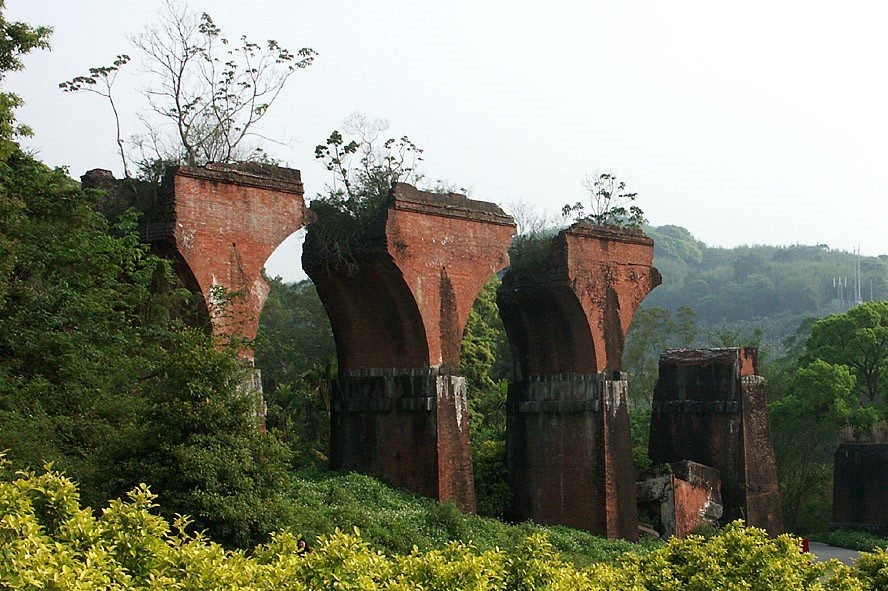
A central hub of Hakka culture in Taiwan, Miaoli is characterized by its mountainous terrain, lush landscapes, and serene countryside. It is famous for its tung flower blossoms in spring, which create a beautiful white carpet over the hills.
Key Attractions:
Natural: Tung Blossom Trails, Sanyi Wood Sculpture Museum, Liyutan Reservoir.
Cultural/Urban: Hakka Cultural Park, Sanyi Old Street.
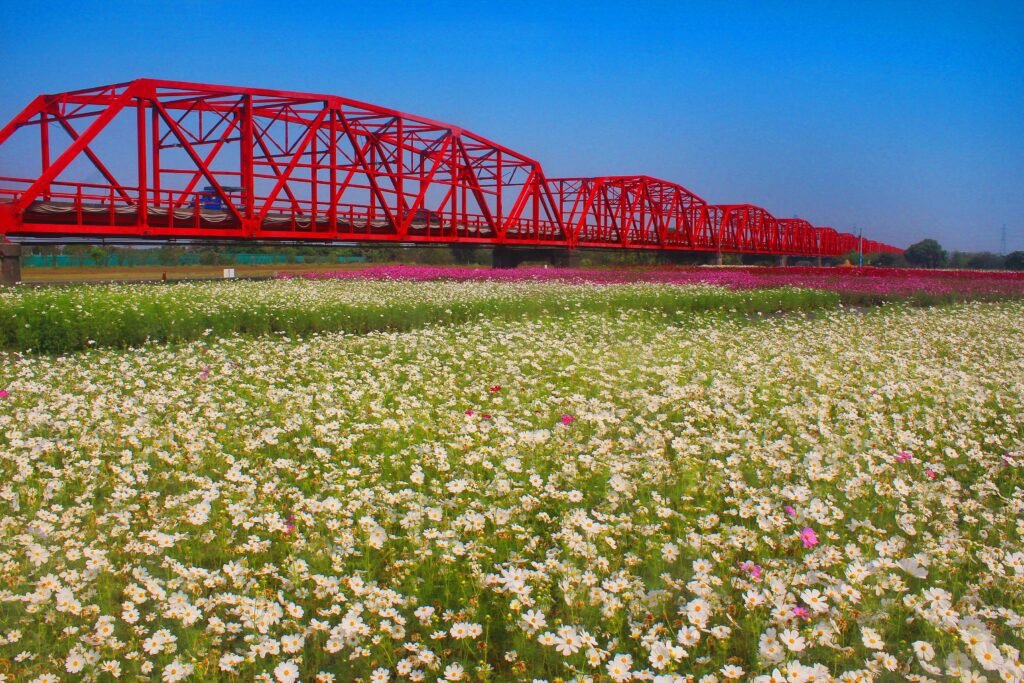
Yunlin
Known as Taiwan’s agricultural heartland, Yunlin offers an authentic rural experience. It is a center for traditional arts, particularly puppet theater, and provides a peaceful escape with its charming countryside and local markets.
Key Attractions:
Natural: Huwei Sugarcane Railroad, Yunlin Botanical Garden.
Cultural/Urban: Yunlin Puppet Theatre Museum, Beigang Chaotian Temple.

Kaohsiung City
Taiwan’s second-largest city and a major port, Kaohsiung is a vibrant metropolis with a warm, tropical feel. The city has transformed its industrial past into a modern hub for art and culture, offering a mix of bustling night markets and beautiful coastal scenery.
Key Attractions:
Natural: Lotus Pond, Cijin Island, Shoushan National Nature Park.
Cultural/Urban: Pier-2 Art Center, Dome of Light, Liuhe Night Market, Fo Guang Shan Monastery.
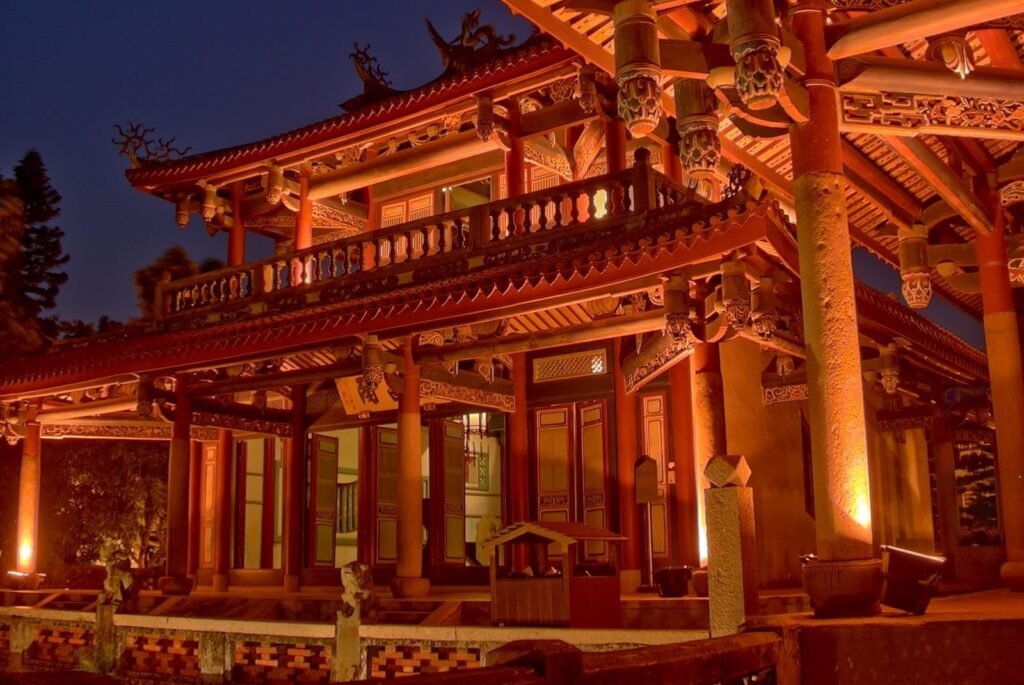
Tainan City
Taiwan’s oldest city and former capital, Tainan is a treasure trove of history, culture, and culinary delights. Its streets are lined with ancient temples, historic forts, and traditional shophouses, making it a perfect destination for a leisurely exploration of Taiwan’s past.
Key Attractions:
Natural: Anping Tree House, Sicao Green Tunnel.
Cultural/Urban: Anping Fort, Chihkan Tower, Confucius Temple, Garden Night Market.
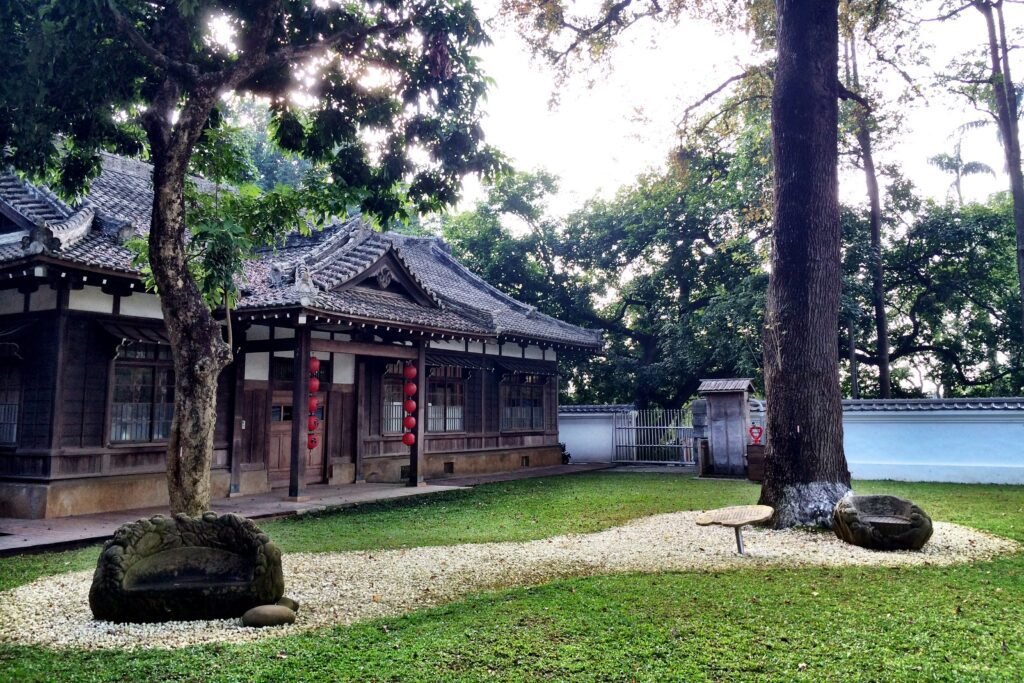
Chiayi City
Serving as the primary gateway to the majestic Alishan mountain range, this city is a comfortable stopover for travelers. It is famous for its delicious local food, particularly its renowned turkey rice, and its lively night market.
Key Attractions:
Natural: Chiayi Park.
Cultural/Urban: Wenhua Road Night Market, Alishan Forest Railway (starting point), Hinoki Village.
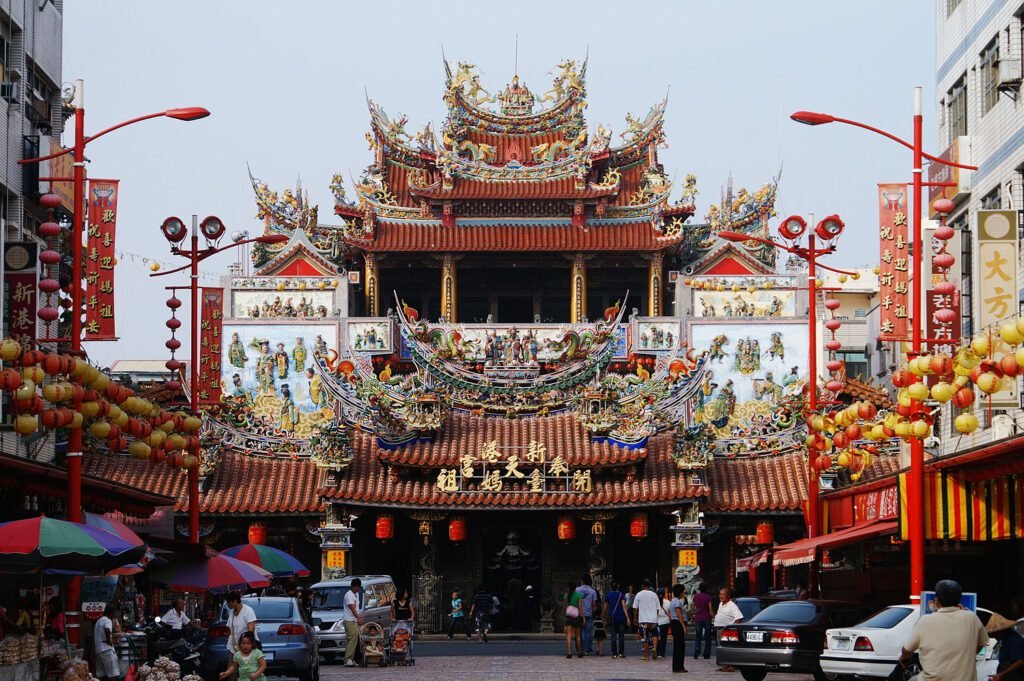
Chiayi
Home to the breathtaking Alishan National Scenic Area, this county is a must-visit for nature lovers. It is famous for its five natural wonders: sunrise, sea of clouds, forest, railway, and sunset, offering an unforgettable escape into Taiwan’s mountain wilderness.
Key Attractions:
Natural: Alishan National Scenic Area, Tropic of Cancer Monument.
Cultural/Urban: Southern Branch of the National Palace Museum.
Pingtung
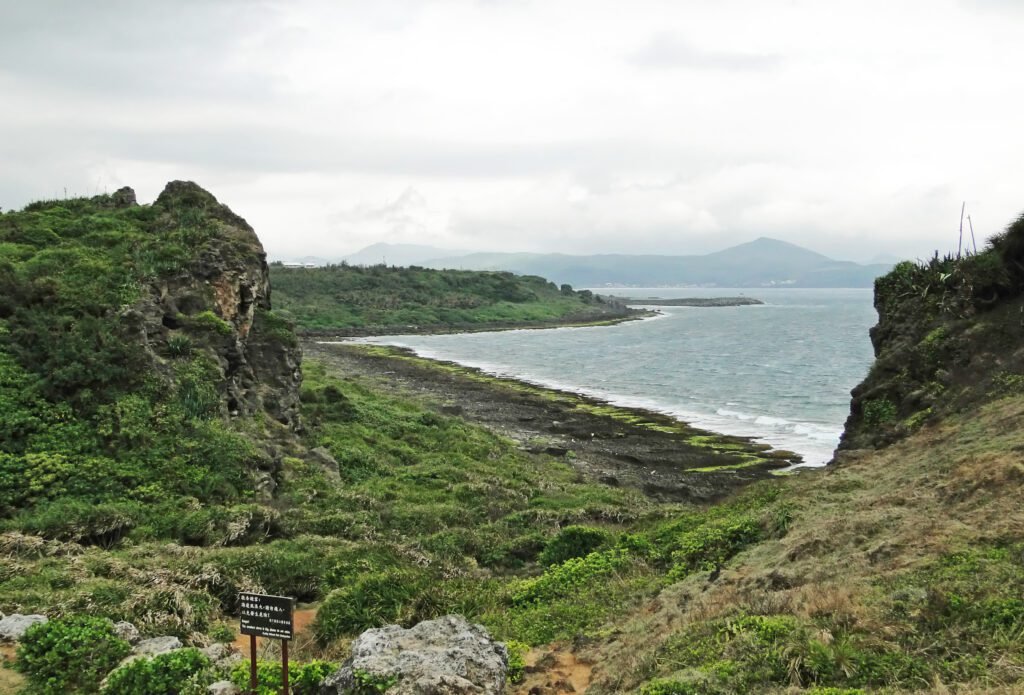
Located at the southernmost tip of Taiwan, Pingtung is a tropical paradise known for its stunning coastline and beautiful beaches. It is home to Kenting National Park, a popular destination for surfing, diving, and enjoying a relaxed, sun-soaked vacation.
Key Attractions:
Natural: Kenting National Park, Eluanbi Lighthouse, Baisha Bay.
Cultural/Urban: Hengchun Old Town.
Hualien
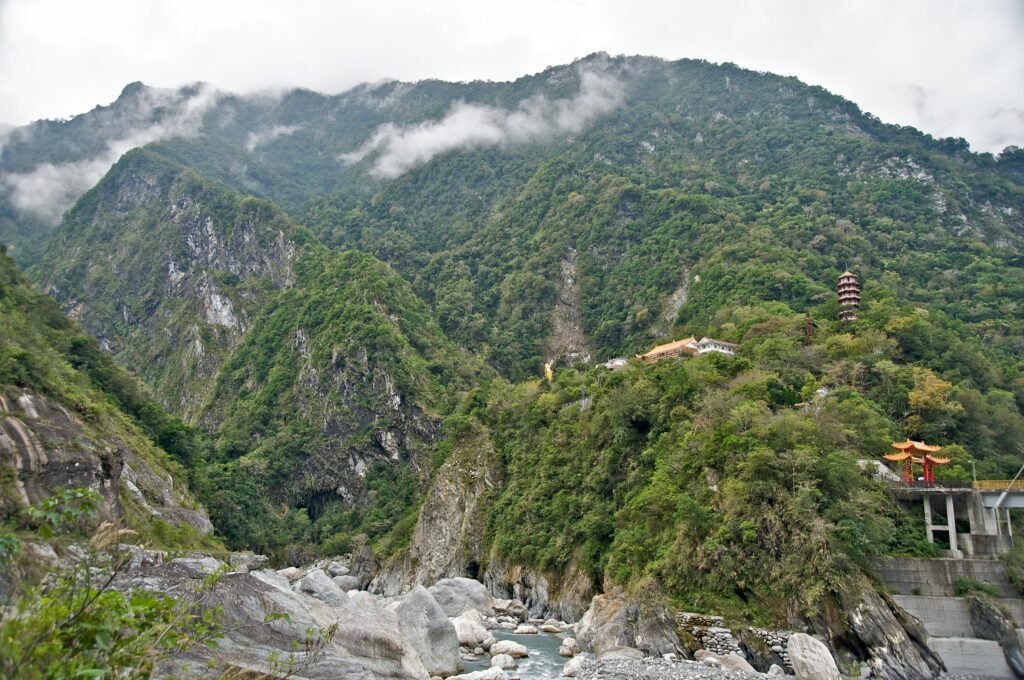
A spectacular region known for its rugged mountains, dramatic coastline, and serene landscapes. Hualien is home to the world-famous Taroko Gorge, a breathtaking marble canyon carved by the Liwu River, making it an ideal destination for outdoor adventurers.
Key Attractions:
Natural: Taroko National Park, Qixingtan Beach, East Rift Valley.
Cultural/Urban: Hualien Creative & Cultural Park, Dongdamen Night Market.
Taitung
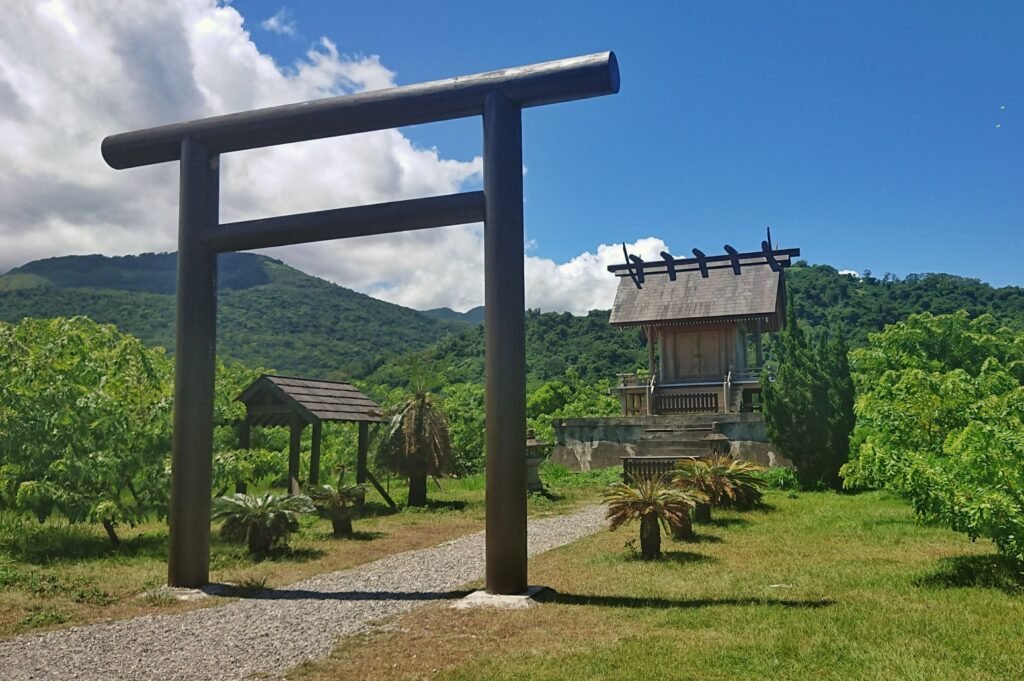
With its pristine coastline and untouched natural beauty, Taitung is a haven for those seeking tranquility. It is the heart of Taiwan’s indigenous culture and a popular spot for hot springs, surfing, and cycling along scenic coastal roads.
Key Attractions:
Natural: Luye Gaotai, Jhihben Hot Spring, Sanxiantai.
Cultural/Urban: Taitung Forest Park, Taitung Night Market.
Yilan
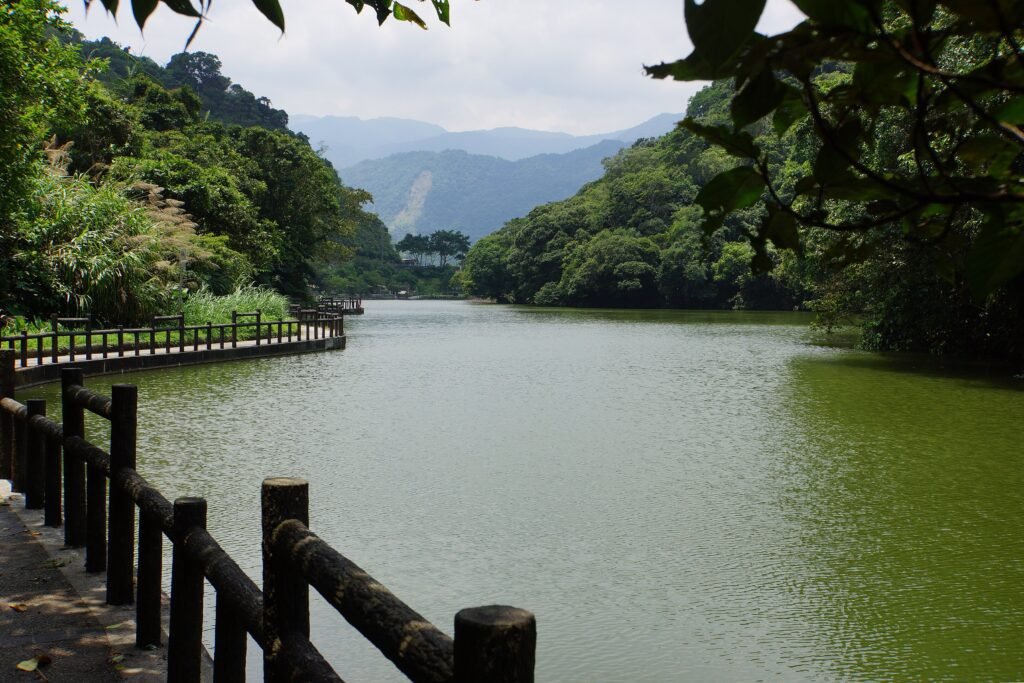
Known for its lush green landscapes, hot springs, and serene countryside, Yilan offers a perfect blend of natural beauty and cultural charm. It is a popular destination for a relaxing getaway from the bustling city life of Taipei.
Key Attractions:
Natural: Wufengchi Scenic Area, Dongshan River Water Park.
Cultural/Urban: Luodong Night Market, National Center for Traditional Arts.
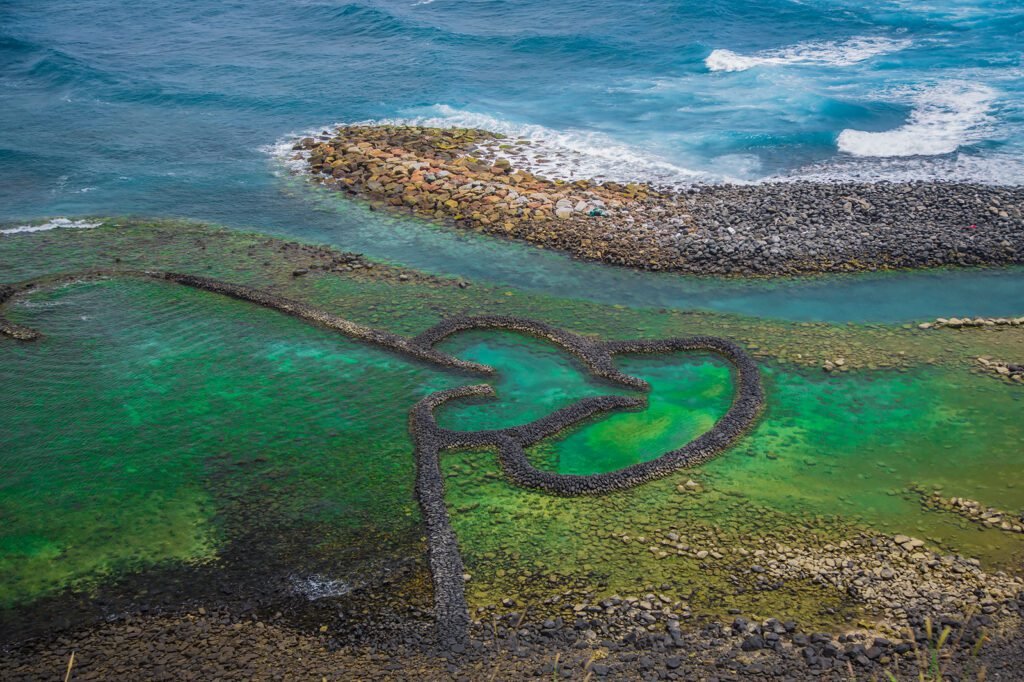
Penghu
An archipelago of 90 islands, Penghu is famous for its unique basalt rock formations, pristine beaches, and clear waters. It is a popular summer destination for marine sports, island-hopping, and enjoying a peaceful island life.
Key Attractions:
Natural: Twin-Hearts Stone Weir, Whale Cave, Great Banyan Tree.
Cultural/Urban: Penghu Living Museum, Magong Old Town.
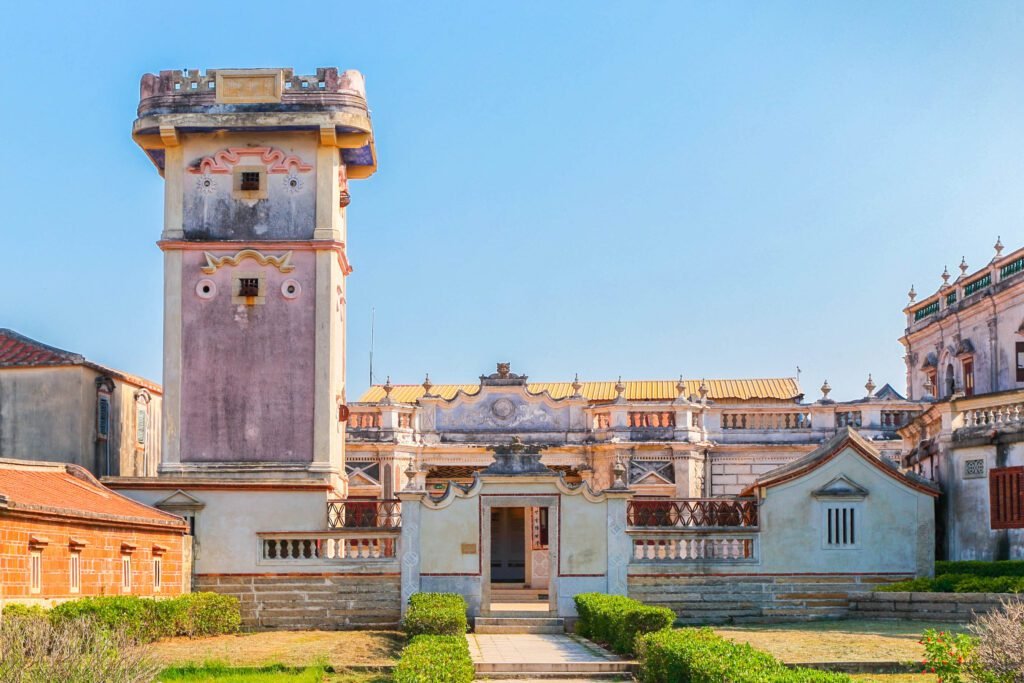
Kinmen
Located just off the coast of mainland China, Kinmen is an island with a rich military history. It’s a living museum of the civil war era, with well-preserved military tunnels and traditional Fujian-style architecture, offering a glimpse into a unique past.
Key Attractions:
Natural: Mount Taiwu, Shuitou Settlement.
Cultural/Urban: Zhaishan Tunnel, Juguang Tower, Kinmen National Park.
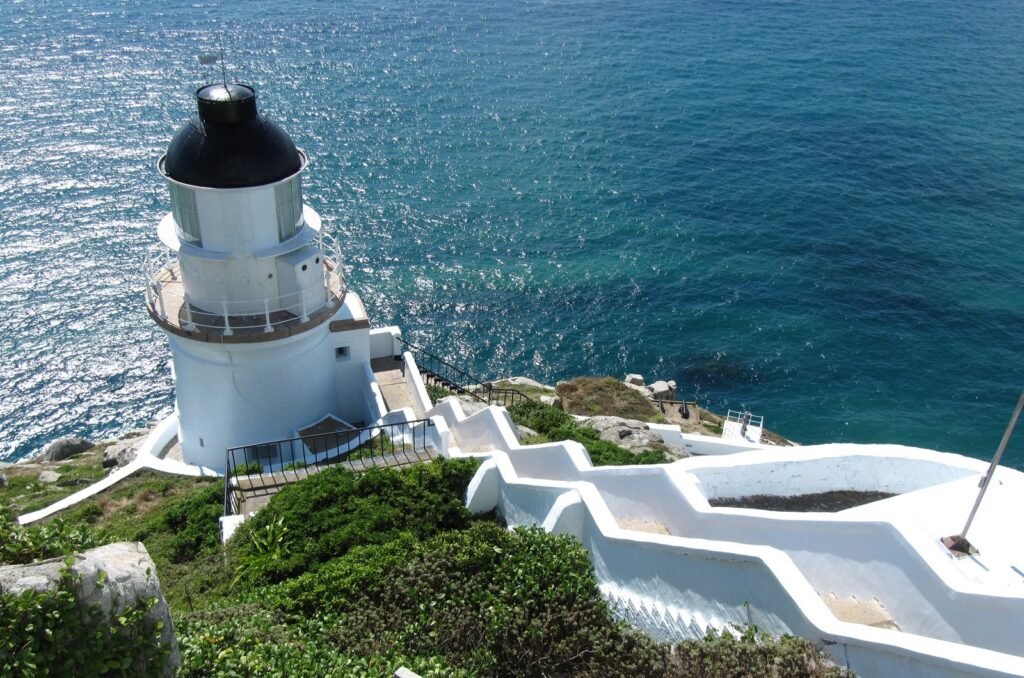
Another archipelago with a strong military heritage, Matsu is known for its rugged cliffs, seaside villages, and unique cuisine. Its most famous natural phenomenon is the “Blue Tears,” a bioluminescent algae that lights up the coastline at night.
Key Attractions:
Natural: Dongju Lighthouse, Beihai Tunnel, Blue Tears (seasonal).
Cultural/Urban: Matsu Folk Culture Museum.
*Copyright
This content uses an image by ‘*毛貓大少爺.’, sourced from Wikimedia Commons and licensed under the CC BY-SA 2.0 license
(https://commons.wikimedia.org/wiki/File:Taipei_Skyline_2022.06.29.jpg)
This content uses an image by ‘*Weihao.chiu.’, sourced from Wikimedia Commons and licensed under the CC BY-SA 3.0 license
(https://en.wikipedia.org/wiki/File:ShiFengWaterFall_002.jpg)
This content uses an image by ‘*Jen266508.’, sourced from Wikimedia Commons and licensed under the CC BY-SA 4.0 license
(https://commons.wikimedia.org/wiki/File:Guanxin_Algae_%2BTaisheng.Jen%2B03((WDPA555594024)).jpg)
This content uses an image by ‘*Taiwankengo.’, sourced from Wikimedia Commons and licensed under the CC BY-SA 4.0 license
(https://commons.wikimedia.org/wiki/File:%E7%8D%85%E7%90%83%E5%B6%BA%E7%9C%BA%E6%9C%9B%E5%9F%BA%E9%9A%86%E6%B8%AF2017.jpg)
This content uses an image by ‘*Hsinchu City Government.’, sourced from Wikimedia Commons and licensed under the Government Website Open Information Announcement
(https://commons.wikimedia.org/wiki/File:Hsinchu_Zoo_aerial_photograph.jpg)
This content uses an image by ‘*曾 成訓.’, sourced from Wikimedia Commons and licensed under the CC BY-SA 2.0 license
(https://commons.wikimedia.org/wiki/File:TSMC_Global_R%EF%BC%86D_Center_at_night.jpg)
This content uses an image by ‘*潘麗峰.’, sourced from Wikimedia Commons and licensed under the CC BY-SA 4.0 license
(https://commons.wikimedia.org/wiki/File:Gaomei_Wetland_sunset_DSC_5441-2.jpg)
This content uses an image by ‘*Xiaolong Zheng.’, sourced from Wikimedia Commons and licensed under the CC BY-SA 3.0 license
(https://commons.wikimedia.org/wiki/File:YUYUPAS_Park.JPG)
This content uses an image by ‘*林高志.’, sourced from Wikimedia Commons and licensed under the CC BY-SA 4.0 license
(https://commons.wikimedia.org/wiki/File:%E9%B9%BF%E6%B8%AF%E8%80%81%E8%A1%97%E5%B0%8F%E5%B7%B707.jpg)
This content uses an image by ‘*Cpc3711.’, sourced from Wikimedia Commons and licensed under the CC BY-SA 4.0 license
(https://commons.wikimedia.org/wiki/File:%E8%A5%BF%E8%9E%BA%E5%A4%A7%E6%A9%8B–%E5%BC%B5%E5%88%A9%E8%81%B0.jpg)
This content uses an image by ‘*Tiouraren.’, sourced from Wikimedia Commons and licensed under the CC BY-SA 4.0 license
(https://en.wikipedia.org/wiki/File:Kaohsiung_Music_Center_and_Great_Tiger_Bridge_during_2022_Taiwan_Lantern_Festival.jpg)
This content uses an image by ‘*Husky221.’, sourced from Wikimedia Commons and licensed under the CC BY-SA 4.0 license
(https://commons.wikimedia.org/wiki/File:%E5%98%89%E7%BE%A9%E7%A5%9E%E7%A4%BE%E9%99%84%E5%B1%AC%E9%A4%A8%E6%89%80.jpg)
This content uses an image by ‘*Peellden’, sourced from Wikimedia Commons and licensed under the CC BY-SA 3.0 license
(https://commons.wikimedia.org/wiki/File:Singang_Fengtian_Temple_20081012.jpg)
This content uses an image by ‘*Bernard Gagnon’, sourced from Wikimedia Commons and licensed under the CC BY-SA 3.0 license
(https://commons.wikimedia.org/wiki/File:Maobitou_Cape_01.jpg)
This content uses an image by ‘*Fred Hsu’, sourced from Wikimedia Commons and licensed under the CC BY-SA 3.0 license
(https://commons.wikimedia.org/wiki/File:Taiwan_2009_HuaLien_Taroko_Gorge_Temple_FRD_6719.jpg)
This content uses an image by ‘*Suomi888’, sourced from Wikimedia Commons and licensed under the CC BY-SA 4.0 license
(https://en.wikipedia.org/wiki/Taitung_County#/media/File:Luye_Jinja_in_Taitung.jpg)
This content uses an image by ‘*lienyuan lee’, sourced from Wikimedia Commons and licensed under the CC BY-SA 3.0 license
(https://commons.wikimedia.org/wiki/File:%E9%95%B7%E5%9F%A4%E6%B9%96_Changpi_Lake_-_panoramio_(4).jpg)
This content uses an image by ‘*Zeze0729’, sourced from Wikimedia Commons and licensed under the CC BY-SA 3.0 license
(https://commons.wikimedia.org/wiki/File:Double-Heart_of_Stacked_Stones_20150721.jpg)
This content uses an image by ‘*張雅倫’, sourced from Wikimedia Commons and licensed under the CC BY-SA 4.0 license
(https://commons.wikimedia.org/wiki/File:%E5%89%8D%E6%B0%B4%E9%A0%AD%E9%BB%83%E8%BC%9D%E7%85%8C%E6%B4%8B%E6%A8%93%E5%8F%8A%E5%BE%97%E6%9C%88%E6%A8%93.jpg)
This content uses an image by ‘*Ying-lung LU’, sourced from Wikimedia Commons and licensed under the CC BY-SA 3.0 license
(https://commons.wikimedia.org/wiki/File:Tungyin_Tao_Lighthouse.jpg)